Portable identity
People should not lose their avatar when a platform changes direction.
VRMDN is built around portability, self-hostable options, and formats people can carry between products instead of renting identity from a closed stack.
Open VRM avatar infrastructure
VRMDN is an open effort to make VRM avatars easier to build, host, moderate, and extend across engines, devices, and communities without trapping people inside a single vendor ecosystem.
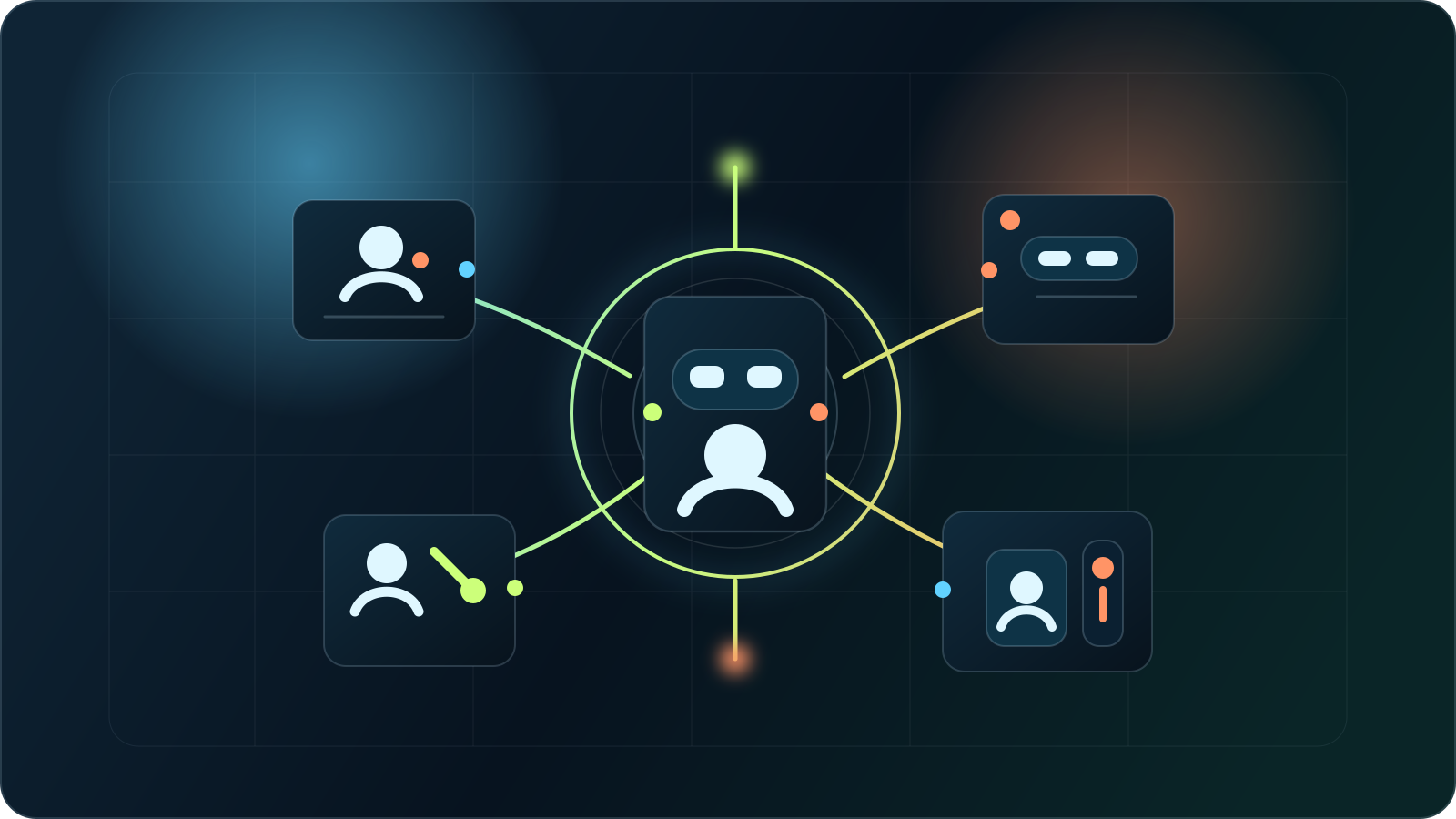
Why this exists
The format is promising, but the turnkey developer templates, moderation tools, hosting layers, and headset-native creator flows are still fragmented. VRMDN aims to close those gaps while keeping the ecosystem open, expressive, and welcoming to a wider range of communities and aesthetics.
Portable identity
VRMDN is built around portability, self-hostable options, and formats people can carry between products instead of renting identity from a closed stack.
Inclusive expression
The project explicitly leaves room for different aesthetics, tones, age ranges, and creator communities so teams can choose styles that fit their players and spaces.
Safer access
VRMDN treats curation, safety controls, headset-friendly flows, and approachable onboarding as core product requirements rather than afterthoughts.
Roadmap: What is missing from VRM?
VRMDN is scoped around concrete gaps that developers still have to solve by hand. The goal is not another abstract standards page. The goal is practical infrastructure, reusable templates, and reference experiences that help teams ship.
Hover or tap to flip for the roadmap note.
Unity prefabs and community examples for avatar sync across networking stacks such as Normcore, Photon, Mirror, and Unity Netcode.
Hover or tap to flip for the roadmap note.
Canonical examples that run out of the box on Quest, PCVR, Vision Pro, Android XR, Pico, and other OpenXR-adjacent targets.
Hover or tap to flip for the roadmap note.
A visual avatar builder that works standalone in-headset and on the web, supported by liberally licensed starter assets.
Hover or tap to flip for the roadmap note.
A one-click flow from reference photo to a usable VRM, designed as a practical starting point rather than a locked black box.
Hover or tap to flip for the roadmap note.
Opinionated examples with pluggable pieces for IK, lipsync, auto-height, LODs, sit and stand variants, and full-body support.
Hover or tap to flip for the roadmap note.
An open clothing and accessory system so creators can make modular parts with a dependable baseline level of compatibility.
Hover or tap to flip for the roadmap note.
An open server and storage layer for hosting models, with a reference implementation for teams that want a usable starting point.
Hover or tap to flip for the roadmap note.
Curated repositories, age-appropriate subsets, and policy hooks so broad avatar expression can coexist with safer application spaces.
Hover or tap to flip for the roadmap note.
Longer-term exploration of richer VRM extensions, including pathways toward streaming avatar formats built on newer glTF capabilities (Gaussian Splats).
End-to-end flow
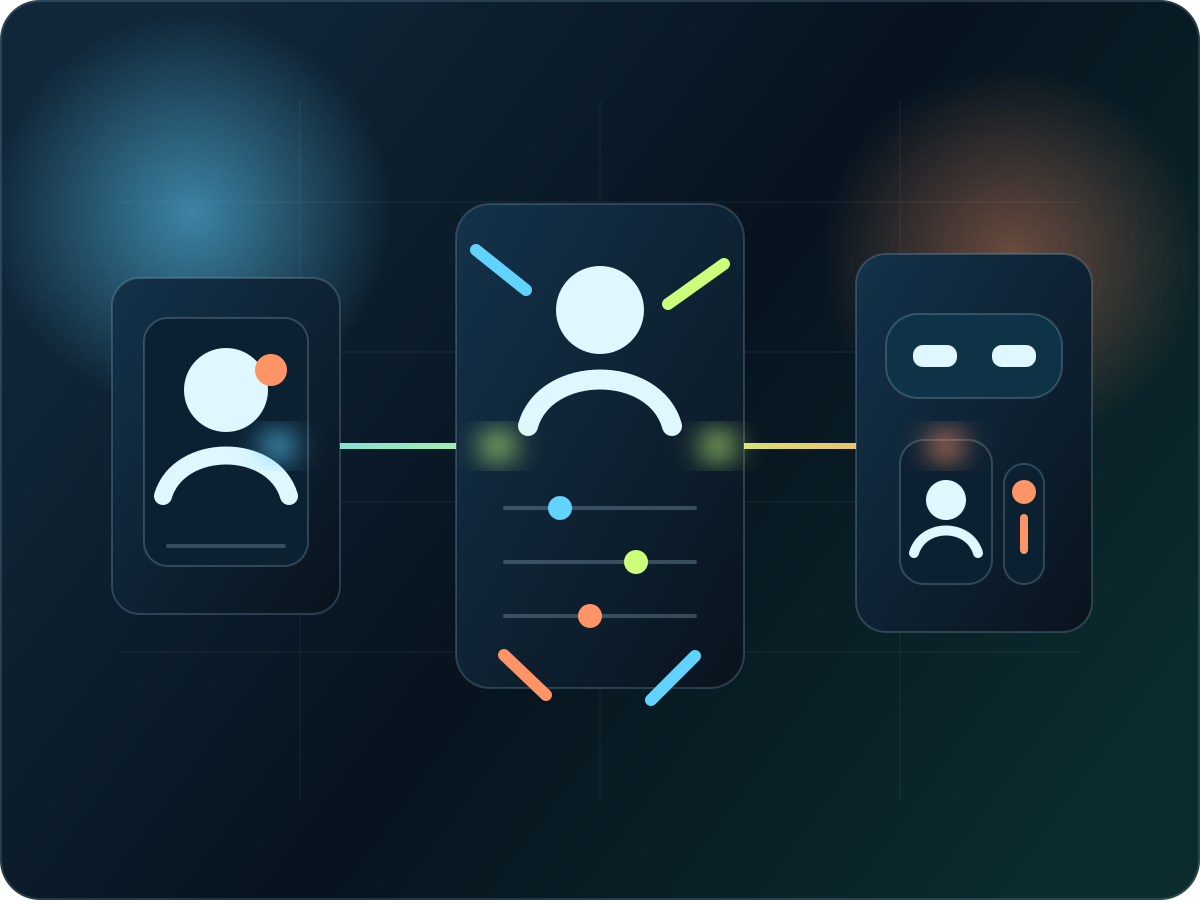
VRMDN is more than a rendering demo. It is a delivery network: creation, validation, packaging, hosting, moderation, and in-app delivery. That end-to-end view is what makes VRM practical for live products.
Where it starts
VRMDN starts from a concrete internal need: Unity, Normcore, Quest, and Vision Pro, with the explicit intent to package the work for reuse and to expand support over time with community participation.
Phase one
Build reusable VRM delivery patterns around Unity and Normcore, target Quest and Vision Pro first, and support avatar building both in-headset and on the web.
Phase two
Add more runtimes, networking stacks, aesthetic packs, and community-maintained examples while keeping the defaults open source, modular, and portable.
Open ecosystem
Important ecosystem foundations already exist, including UniVRM, vrm.dev, VRoid, and three-vrm. Adjacent products and SDKs have also helped shape the direction of the effort. VRMDN complements that surrounding work with developer templates, builder UX, moderation layers, hosting patterns, and delivery infrastructure that a production team can adopt.
Foundation resources
Projects we studied while shaping VRMDN
About VRMDN
VRMDN is intended to be shaped with independent VR studios and other people across the ecosystem. We are currently building the effort through Boxtree, Inc., and we want the initiative to grow into a wider collaboration over time.
Current steward
The present goal is to turn internal product needs into reusable open infrastructure for VRM-based avatars, then widen participation without compromising portability, safety, or developer usability.
Get involved
If you would like to be part of the formation of the VRMDN initiative, email hello@boxtree.gg.
Audience
If you build primarily in Unity for Meta Quest, this is the starting point. If you want that work to grow into a healthier, more portable ecosystem for avatars across XR, this is the direction of travel.